
Controversy Over Exorbitant Ticket Prices for the 2026 Football World Cup: A Betrayal to Fans Amid Full World Cup Fever
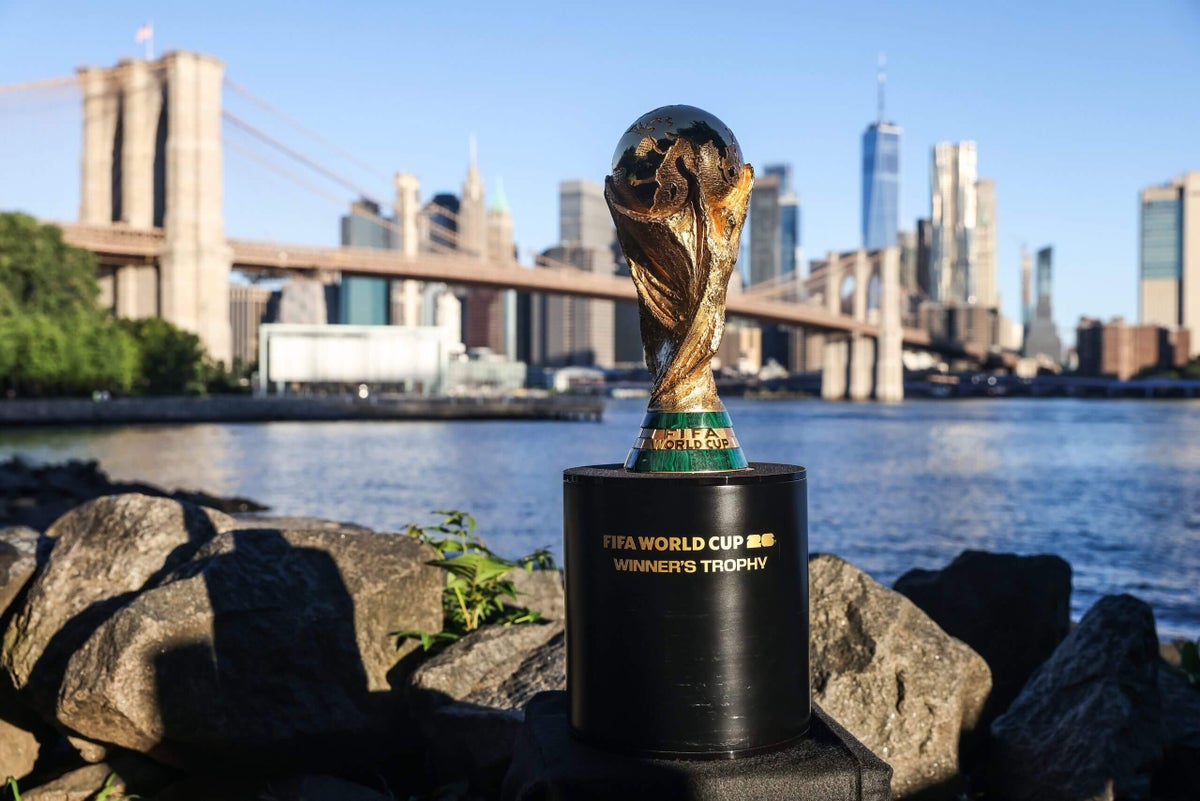
As the 2026 Football World Cup in Canada, Mexico, and the United States draws near, the controversy surrounding ticket prices has exploded with force, with global fans accusing FIFA of prioritizing profits over accessibility to the beautiful game. Initially announced in September 2025, tickets range from $60 for group stage matches to $6,730 for the final in premium categories, but the dynamic pricing system has drastically raised these figures based on demand. Supporters’ associations, such as the German Football Federation, have revealed lists with prices between $180 and $700 for initial encounters, sparking outrage by deeming them “absolutely scandalous.” In December 2025, following the draw, tickets for standard matches have exceeded $700, prompting protests and petitions to suspend sales. This variable pricing model, similar to the one used in Qatar 2022 but amplified, leaves fans in uncertainty, competing in virtual queues while resellers profit. In my opinion, FIFA’s mercantilist strategy erodes the inclusive spirit of football, turning it into an elitist event that distances families and genuine enthusiasts from the stadiums. Moreover, in host countries like Mexico, prices converted to local currencies equate to monthly salaries, exacerbating regional and cultural inequality. Finally, while FIFA defends the system to maximize revenue, fans argue it only favors corporations, leaving the “people’s sport” in the hands of a privileged few.
The outrage has spread across social media, with posts on X highlighting how prices for the final in Category 1 have reached $8,111, an increase that generates boycott campaigns and viral memes. In the United States, tickets for the local team’s matches have risen between 13% and 24% since October, fueling debates about whether the tournament will become “Corporate Games” instead of a popular festival. Experts like FIFA representatives justify dynamic pricing to optimize resources, but they ignore the impact on low-income fans who yearn to attend live. In Mexico and Canada, the initial $60 tickets proved illusory, as most available ones exceed $1,000, excluding vast sectors of the local population. I believe this controversy exposes FIFA’s disconnection from its global base, prioritizing multimillion-dollar sponsorships over equity, which could irreparably damage the event’s image. Associations like the Football Supporters’ Association have demanded pressure for fair prices, highlighting how October presales already showed “astonishing” rates. In Latin America, media outlets have labeled the 2026 World Cup as the most expensive in history, with tickets up to five times higher than in Qatar 2022, stoking regional resentment. In my judgment, if this trend isn’t corrected, the tournament’s legacy will be one of exclusivity, not unity, betraying football’s fundamental values.
FIFA’s official resale system, without strict caps and with high commissions, has intensified the friction, allowing speculation that inflates prices and benefits unregulated intermediaries. In December 2025, fans on X share screenshots of fees for knockout rounds exceeding $2,000, questioning whether the focus prioritizes the spectacle over authentic spectators. Divided opinions emerge: some defend that they reflect record demand, while others maintain it alienates younger generations, especially in emerging economies. In my perspective, this controversy is a symptom of excessive commercialization, where FIFA acts more like a corporation than a guardian of world sport. Reports highlight how “cheap” $60 tickets vanished in minutes, leaving only premium options on the market. Fan groups have launched petitions to pause sales, demanding transparency and limits to ensure equitable access. In Europe, federations plan to contact FIFA directly, reflecting growing transatlantic discontent. I firmly believe that without immediate interventions, the 2026 World Cup will mark a negative turning point, where money eclipses the pure magic of the game.
Compared to previous editions, the increase for 2026 is alarming: in Qatar 2022, the final cost around $1,600 in high categories, versus the current $7,000+, a leap seen as unjustifiable. Users on social media express frustration over prices that, in local currencies, equal monthly salaries, as in South American regions where a basic ticket exceeds 17,000 rands. Shared opinion: this dynamic model fosters inequality, favoring those who pay premiums while marginalizing dedicated fans worldwide. In my view, FIFA should implement subsidies or accessible lotteries to balance the landscape and restore faith. Media reports that the tournament threatens to become “Corporate Games,” with prices discouraging family and community attendances. In December 2025, the backlash includes viral videos criticizing FIFA’s opacity in explaining these sudden increases. Global associations call for partial boycotts, affirming that football belongs to the people, not financial elites. Ultimately, this controversy could force structural changes, but only if public pressure remains firm.
The expansion to 48 teams promised greater inclusion, but contradictory prices suggest the opposite, limiting diversity in stadiums despite the increase in available matches. On X, Spanish-language posts highlight the irony: final tickets cost more than complete trips, alienating fans from Mexico and Latin America in general. My opinion is that this strategy erodes FIFA’s credibility, which must prioritize lasting legacy over immediate profit. Sports finance experts see this as a “own goal” that could reduce fan loyalty in the long term. In the U.S., where soccer is gaining ground, high prices could halt the momentum, excluding new enthusiastic followers. Union campaigns urge national federations to intervene for fair and transparent prices. I believe an accessible World Cup would strengthen the sport globally, rather than weaken it. Finally, while FIFA accumulates record revenues, fans pay the literal and emotional price of this greed.
Economic impacts on hosts are mixed: cities like New York expect tourism boosts, but residents criticize that high prices benefit only affluent visitors, not local communities. On social media, Spanish debates question if 2026 will be “a luxury for the rich,” with dynamic prices generating more controversy than genuine excitement. Opinion: this controversy highlights the need for regulation in global events, where greed does not overshadow the pure sporting essence. Regional media report increases up to ten times greater than Qatar, fueling resentment in Latin America. In my judgment, FIFA must transparentize decisions to rebuild eroded trust. Recent posts show fans abandoning travel plans due to prohibitive and unpredictable costs. European associations lead the pushback, inspiring transcontinental collective actions. In summary, this controversy could redefine the perception of elite football, demanding a balance between business and authentic passion.