
New Jersey Accelerates Preparations for 2026 World Cup at MetLife Stadium: Targeting $3.3 Billion in Regional Economic Impact
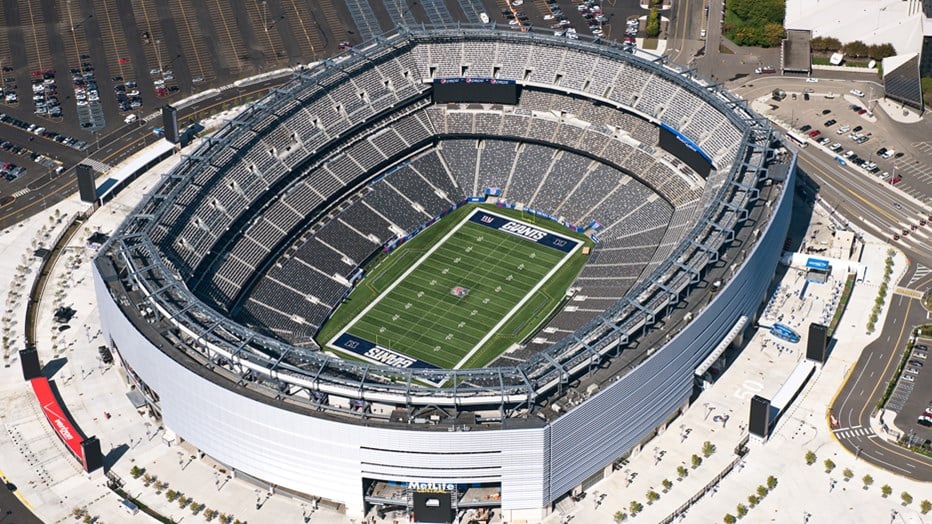
New Jersey is ramping up its preparations for the FIFA World Cup 2026, with MetLife Stadium in East Rutherford set to host eight matches, including the highly anticipated final on July 19. State officials and the New York New Jersey Host Committee are accelerating plans through partnerships and business roundtables to maximize the event’s economic potential. Projections indicate a staggering $3.3 billion in economic activity for the region, driven by tourism, hospitality, and related sectors, as visitors from around the world flock to the area. This influx is expected to support over 26,000 jobs across New York and New Jersey, highlighting the tournament’s role as a major catalyst for local economies.
The MetLife Stadium, home to the NFL’s New York Jets and Giants, will be the epicenter of the action with a capacity of 82,500 seats. Matches are scheduled for June 13, 16, 22, 25, 27, 30, July 5, and the final on July 19, drawing an estimated 1.2 million visitors to the region during the tournament. To capitalize on this, New Jersey is collaborating with organizations like the New Jersey Sports and Exposition Authority (NJSEA) and tourism boards to enhance infrastructure, including transportation upgrades and fan festivals. The FIFA Fan Festival NYNJ will serve as a central celebration hub, offering cultural experiences, dining, and entertainment to showcase the state’s diversity and proximity to major cities like New York and Philadelphia.
Business roundtables involving hotel partners, local chambers of commerce, and economic development agencies are focusing on promotional strategies to boost room nights and visitor spending. Experts predict that with aligned partnerships, the event could generate tens of thousands of additional hotel bookings and multi-million-dollar incremental impacts. Hotel revenues are forecasted to rise by 7% to 25% in June 2026, particularly around match days, due to the stadium’s location and the region’s status as an international gateway. This is part of a broader U.S. economic boost, with the country expecting a $17.2 billion GDP increase and 185,000 new jobs from the World Cup overall.
Beyond immediate gains, the World Cup is poised to deliver long-term benefits, such as global branding for New Jersey and infrastructure legacies that enhance future events. Real estate investors are eyeing the region as a powerhouse, with increased visibility from hosting the final expected to drive property values and development. Southern New Jersey will also see spillover effects from related tourism, complementing activities in Philadelphia’s Lincoln Financial Field, which hosts six matches.
Statewide, the tournament aligns with America’s 250th birthday celebrations, positioning 2026 as a landmark year for tourism. Officials estimate over $4.3 billion in revenues and 30,000 jobs created across New Jersey, emphasizing the need for coordinated efforts to present the state’s beaches, culture, and urban access to a global audience. As preparations intensify, New Jersey aims to leverage this opportunity not just for short-term economic jolt but for sustained growth in the sports and tourism sectors.