
Possible Boycotts Threaten the 2026 FIFA World Cup Because of U.S.-Greenland Tensions
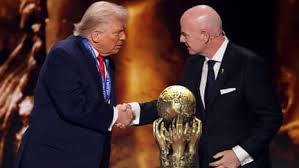
The 2026 FIFA World Cup will take place in the United States, Canada, and Mexico from June 11 to July 19. Right now, some people in Europe are talking about boycotting the tournament. The main reason is U.S. President Donald Trump’s repeated statements about wanting to take or control Greenland, which belongs to Denmark. These comments have made many people angry. As of January 23, 2026, no country’s football team has officially said they will not play. But politicians, fans, and even some football leaders are worried. If the situation gets worse, it could hurt the World Cup’s image and make it less united.
In Germany, a politician named Jürgen Hardt from the CDU party said a boycott might be needed as a last option. He believes the World Cup is very important to the United States, so not going could send a strong message to President Trump. Another German politician, Roderich Kiesewetter, agreed and said it would be hard for European teams to play if the U.S. keeps pushing on Greenland. The German Football Federation has not agreed to any boycott and is waiting to see what FIFA says. Still, these ideas are getting a lot of attention in the news.
In the United Kingdom, two members of parliament—Simon Hoare and Kate Osborne—also called for a boycott. They said European countries should stand together against threats from the U.S. In France, the Sports Minister said there is no plan to boycott right now because fans want to enjoy the games. But she added they could change their mind if things get much worse. In the Netherlands, the football association says a boycott is not on the table yet, but more than 105,000 people signed an online petition asking their team not to go because of human rights and political problems.
UEFA (the organization for European football) has had private talks about what to do if the situation becomes serious. Some leaders are very concerned and are making backup plans. Possible actions could include teams refusing to play, fans protesting, or asking FIFA to move some matches to Canada or Mexico instead of the U.S. Experts say if many European teams (maybe up to 16) decide to boycott, it would be a big problem for the World Cup. It could hurt money, TV views, and the tournament’s reputation. For now, these are only ideas and discussions—no final decisions have been made.