
2026 World Cup Fan Zones in Crisis: Cancellations, Funding Delays, and Security Fears Just 107 Days Before Kickoff
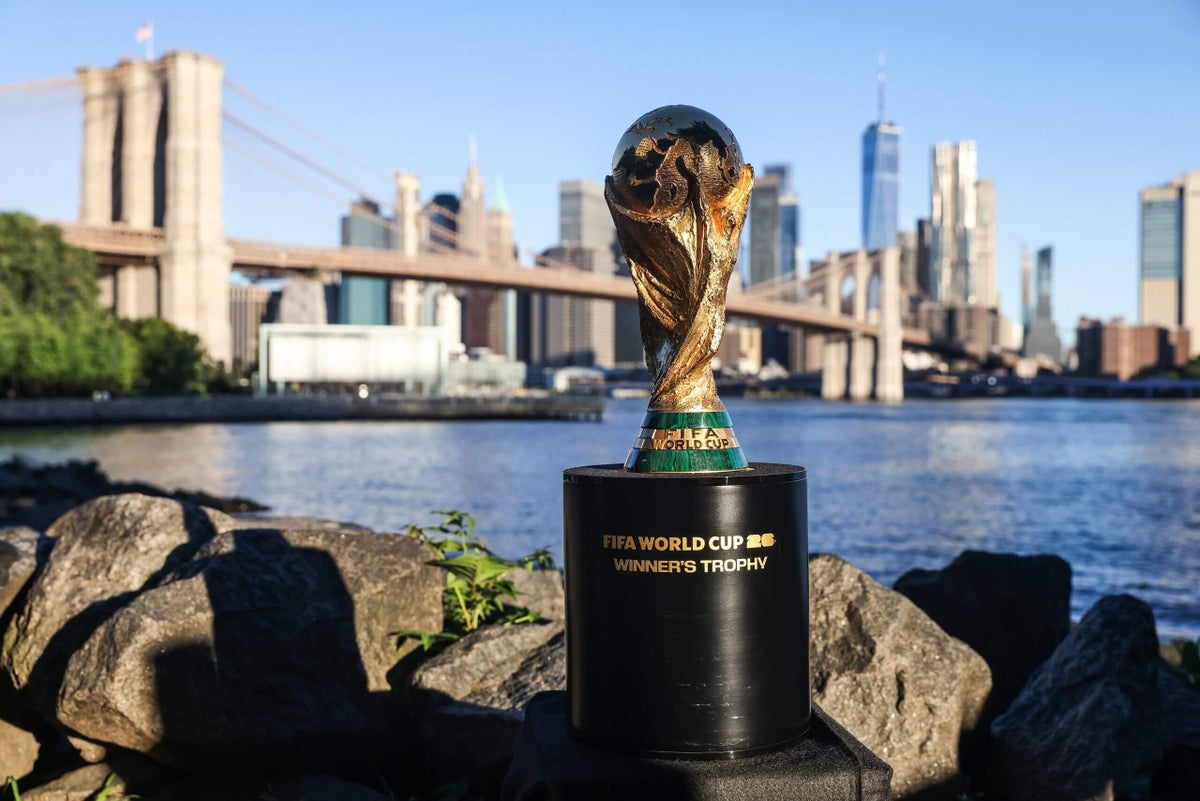
With only 107 days left until the FIFA World Cup 2026 begins on June 11, 2026, the official FIFA Fan Festivals (also called Fan Zones) — free or low-cost public spaces with big screens, live matches, music, food, and celebrations for fans without stadium tickets — are facing major problems in several host cities across the United States, Canada, and Mexico. These events are meant to bring the World Cup excitement to everyone, but recent cancellations and warnings show serious challenges ahead.
The biggest cancellation so far happened on February 19, 2026, when organizers in New York/New Jersey decided to cancel the main FIFA Fan Festival planned at Liberty State Park in Jersey City. The event was supposed to run for the full 39 days of the tournament (from June 11 to July 19, 2026), but costs were estimated at up to $1 million per day, plus huge logistical issues with crowds and local access to the park. New Jersey Governor Mikie Sherrill chose to cancel it and instead spend $5 million on smaller, community-based events across the state, focused mostly on the 8 match days at MetLife Stadium (including England vs. Panama on June 27). People who already bought $10 tickets through Ticketmaster will get automatic refunds.
In Miami, the situation is very serious. On February 24, 2026, during a hearing at the U.S. House Homeland Security Committee, Ray Martinez, chief operating officer of the Miami host committee, warned that they are approaching a “drop-dead date.” Without receiving the requested $70 million from the $625 million in federal funding approved by Congress for security and operations, the 23-day downtown Fan Festival could be canceled within the next 30 days. “Without this money, it could be catastrophic for our planning,” Martinez said. Kansas City officials gave a similar warning, saying their need for funds is “immediate,” and the funding delay is linked to a partial federal government shutdown and issues with FEMA and DHS.
Security concerns are adding more worry. On February 23, 2026, Mexican military forces killed Nemesio “El Mencho” Oseguera Cervantes, leader of the Jalisco New Generation Cartel, during an operation in Tapalpa, Jalisco. This triggered immediate violence, including road blockades, attacks on security forces, and at least dozens of deaths in Jalisco and nearby states. Guadalajara, a World Cup host city, saw disturbances in its area. Mexican President Claudia Sheinbaum stated on February 24 that there is “no risk” for visitors during the tournament. Still, U.S. officials told Congress on February 24 and 25 about serious threats, including frozen security funds (nearly $900 million in some reports), drone risks, human trafficking concerns, and poor coordination between agencies.
Not all news is bad. In Seattle, organizers announced on February 23, 2026, that they are expanding free fan celebrations starting June 11 across multiple locations, including Seattle Center, Pacific Place, Waterfront Park, and Victory Hall, using a “distributed model” for better community access. However, with key cancellations in big markets like New York/New Jersey and real threats to events in Miami and other cities, millions of fans who rely on these Fan Zones to enjoy the World Cup could miss out. If federal and local governments do not quickly solve the money and safety problems in the coming weeks, the festive atmosphere of the 2026 tournament — the first co-hosted by three countries — could suffer a serious blow.