
Hydration Breaks at the 2026 World Cup: Player Welfare or a Commercial Masterstroke?
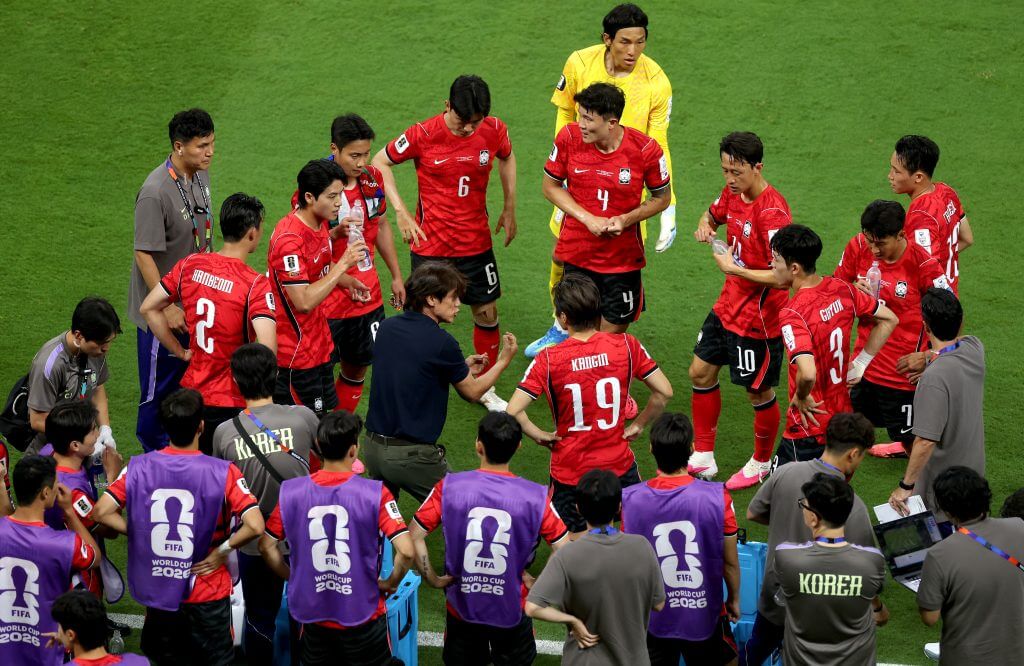
In the 2026 FIFA World Cup, mandatory three-minute hydration breaks have been introduced in every match, occurring around the 22nd minute of each half across all 104 games. This FIFA policy applies regardless of weather, temperature, or whether the stadium has a roof, marking a significant shift from previous tournaments where such pauses were discretionary or triggered only by extreme heat. Presented as a measure to prioritize player health in North America’s varied climates, it effectively divides each game into four segments, altering the traditional continuous flow of soccer.
How do these breaks impact the game? The pauses can disrupt momentum at critical moments, giving trailing teams a chance to regroup while halting a dominant side’s attack. Coaches use the time for tactical instructions, turning the breaks into strategic “timeouts.” While the three minutes are added to stoppage time to preserve the 90 minutes of actual play, early matches have shown them cooling the game’s intensity and creating noticeable lulls after restarts. Players benefit from hydration and recovery, but the rhythm of soccer feels fundamentally changed.
Fan opinions are largely divided and often critical. Many supporters on social media and forums lament the interruption of soccer’s signature non-stop action, viewing it as an “Americanization” of the sport with built-in commercial pauses. While some acknowledge the importance for player safety in hot conditions, others see it as unnecessary in milder weather. Voices like USMNT coach Mauricio Pochettino and former star Carli Lloyd have publicly expressed dislike, arguing the breaks should only occur in extreme heat.
The commercial angle is unmistakable and has fueled significant controversy. Broadcasters, particularly Fox in the US, are using these dedicated slots for full advertising blocks with major sponsors like Powerade. This creates valuable new revenue streams for networks and FIFA, though some outlets like Telemundo keep the live pitch visible with analysis instead. Critics call it a “money grab” disguised as player care, highlighting the tension between tradition and the growing commercialization of the beautiful game.
In conclusion, the hydration breaks at the 2026 World Cup strike a balance between athlete welfare and modern demands, but they challenge the soul of soccer. While protecting players in a demanding tournament, their effect on match flow and fan experience underscores the ongoing debate between innovation, strategy, and commercial interests. Necessary evolution or unnecessary disruption? As the tournament unfolds, FullSportNet will continue bringing you the latest analysis. The World Cup goes on!