
Everything You Need to Know About the 2026 Winter Olympics (Milano Cortina 2026)
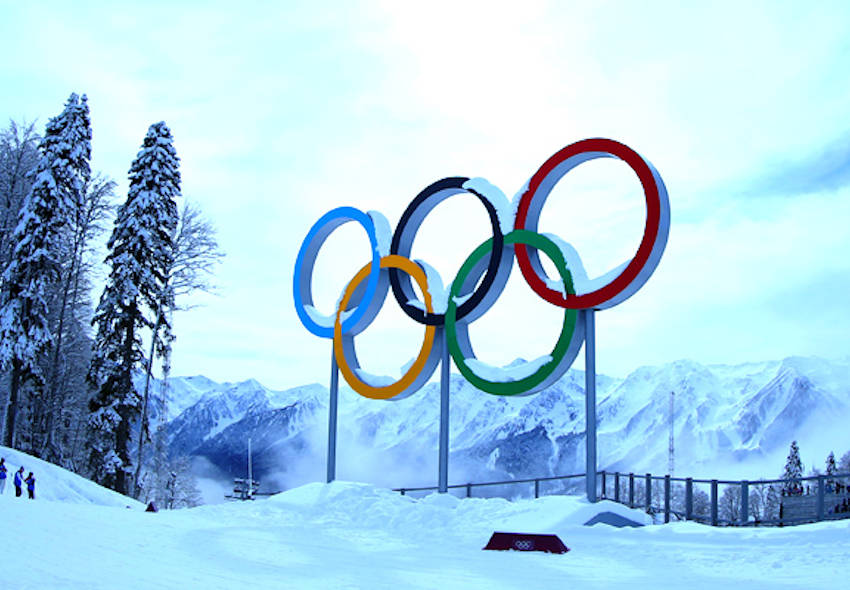
The 2026 Winter Olympics, officially the XXV Olympic Winter Games, are taking place from February 6 to February 22, 2026, in northern Italy. The main host cities are Milan and Cortina d’Ampezzo, with events spread across the regions of Lombardy and Veneto. This is the first time the Winter Games have been held across such a wide area—roughly the size of the state of New Jersey—blending a major city with classic Alpine mountain venues. The Opening Ceremony will be held on February 6 at San Siro Stadium in Milan, featuring performances by artists like Mariah Carey, Andrea Bocelli, and Laura Pausini. The very first competitive events began on February 4 with mixed doubles curling and official training sessions.
Around 2,900 athletes (approximately 2,871 confirmed: 1,533 men and 1,338 women) from about 93 countries are competing. These Games are among the most gender-balanced in history: there are 116 medal events across 8 sports and 16 disciplines, with a record 50 events for women and 12 mixed events (53.4% of medals awarded to women). Italy is hosting the Winter Olympics for the second time (the first was Cortina d’Ampezzo in 1956). A big focus is on sustainability—using modern, reusable venues and minimizing new construction to leave a positive legacy.
The sports lineup includes classics such as alpine skiing, biathlon, bobsleigh, cross-country skiing, curling, figure skating, freestyle skiing, ice hockey, luge, Nordic combined, short track speed skating, skeleton, ski jumping, and snowboarding. The newest addition is ski mountaineering, which makes its Olympic debut with medal events. There are also changes to promote equality, such as equal distances for men and women in cross-country skiing and new team combined events in alpine skiing.
Venues are spread out for efficiency and to showcase Italy’s beauty: Milan hosts most indoor events (ice hockey, speed skating, short track, figure skating) at arenas like the Milano Ice Skating Arena and Rho Ice Hockey Arena; Cortina d’Ampezzo has curling, sliding sports (luge, bobsleigh, skeleton), and women’s alpine skiing; Valtellina (Bormio, Livigno) covers freestyle skiing, snowboarding, and men’s ski mountaineering; and Val di Fiemme handles ski jumping, Nordic combined, and cross-country skiing. This decentralized setup makes these the most widely distributed Winter Games ever, with good transportation links for athletes and spectators.
Some of the biggest names to watch include Team USA’s largest-ever delegation (232 athletes), featuring stars like Mikaela Shiffrin (alpine skiing), Chloe Kim (snowboarding), and Jordan Stolz (speed skating). Lindsey Vonn is back despite a recent knee injury (ACL tear). Other athletes to follow are Eileen Gu, Dave Ryding (Great Britain), and emerging talents in the new ski mountaineering discipline. The first medals are awarded starting February 7, with mixed doubles curling already underway.
The Games conclude on February 22 with the men’s ice hockey gold-medal game. The Winter Paralympics follow from March 6 to 15. You can watch live coverage on NBC, Peacock, and NBCOlympics.com in the U.S., or through the official Olympics app and website (olympics.com) worldwide. With Milan’s vibrant city energy, Cortina’s classic mountain charm, and a strong emphasis on sustainability and inclusion, Milano Cortina 2026 promises to be an unforgettable celebration of winter sport. The excitement is already building! ❄️🏅